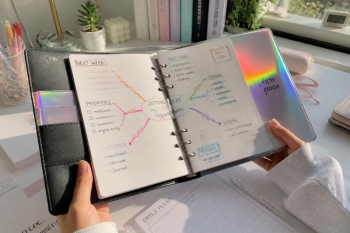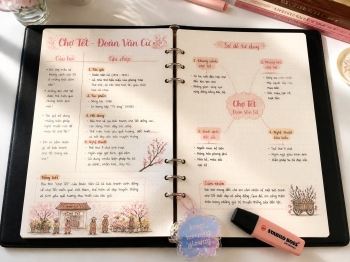

Mind maps can be a powerhouse for learning-helping you remember faster and organize ideas with clarity.
Yet many students use them the wrong way, turning a smart method into a cluttered page that’s harder to read than regular notes.
Below is a practical guide to diagnose the five most common mistakes and learn how to draw mind maps correctly, so you can tackle any subject with confidence
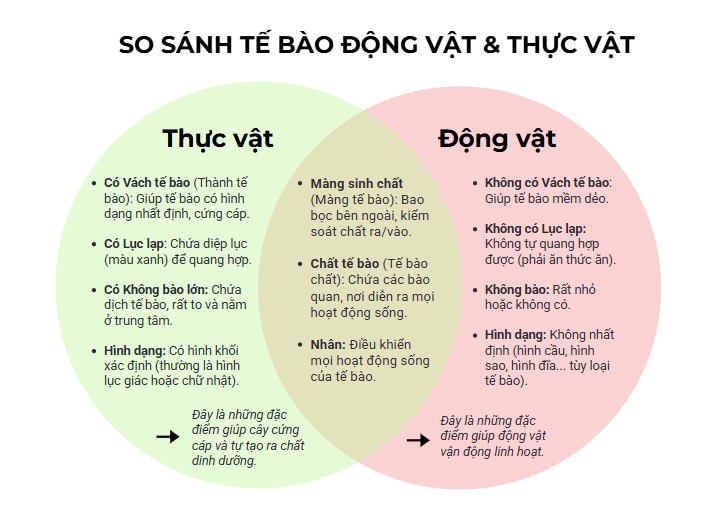
🔍 WHAT IS A MIND MAP & WHY IT’S SO EFFECTIVE
A mind map is a visual way to “draw” your thoughts and knowledge on paper. Instead of writing long lines of text, you use keywords, colors, and images to connect ideas-much like how the brain naturally branches information from a central point.
Read more: What is a Mind Map? The Ultimate A-Z Guide for teens to Study smarter & Ace exams
💡THREE “GOLDEN” LEARNING BENEFITS
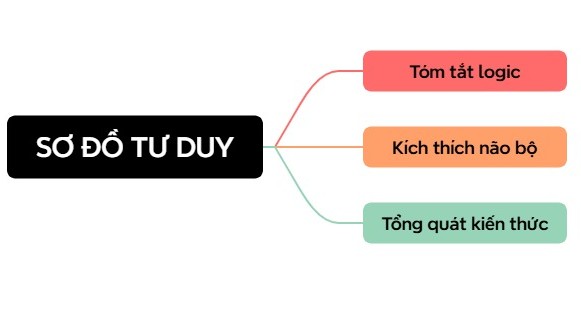
Faster memory
Combining text (left brain) with color and imagery (right brain) activates both hemispheres, helping you retain information longer.
Big-picture clarity
Mind maps reveal how topics connect, deepening understanding beyond rote memorization.
Creativity boost
You can freely expand ideas without being boxed in by dull bullet points-this is your playground for insight.
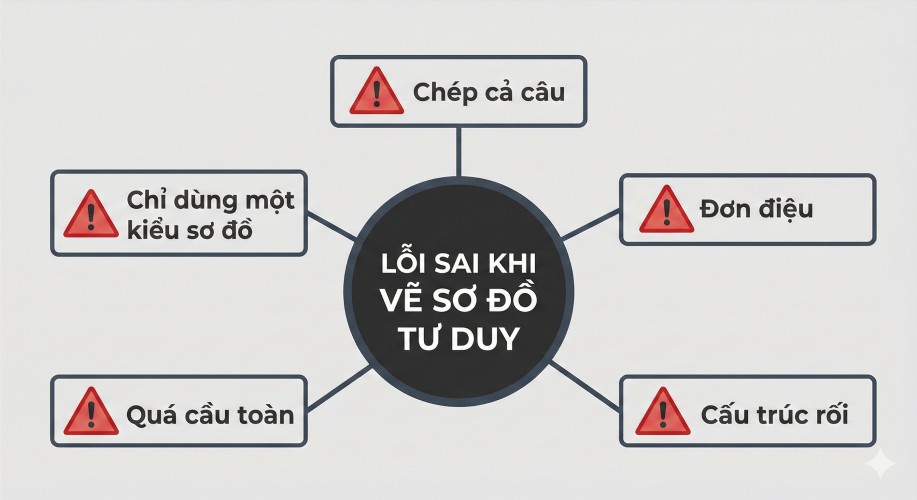
⚠️ THE 5 CLASSIC MIND MAP MISTAKES (AND HOW TO FIX THEM)
Let’s spot the pitfalls that make mind maps messy-and turn them into a tool that truly works.

Mistake 1: Copying full sentences - turning your map into a mini notebook
Symptom: Branches packed with complete sentences, just like a textbook.
Why it hurts: Dense text slows thinking. The brain resists reading long paragraphs in a visual map.
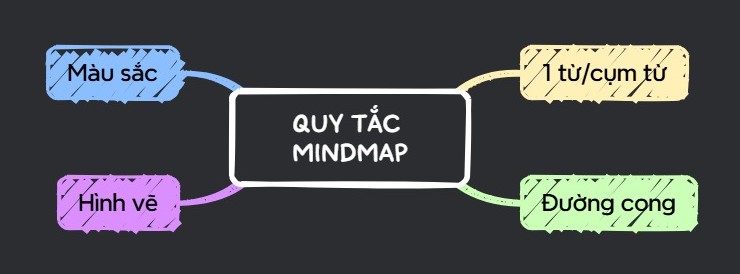
Fix: Follow the “one branch - one keyword” rule. Keep only high-impact words that carry the core idea.
Example (Literature, Grade 8):
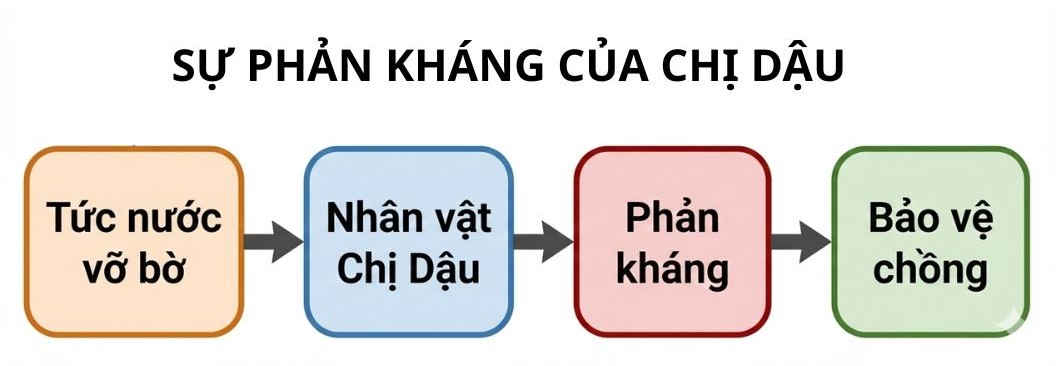
Instead of: “The story ‘Tức nước vỡ bờ’ describes Mrs. Dậu’s resistance when her husband is beaten.”
Write: “Tức nước vỡ bờ → Mrs. Dậu → Resistance → Protects husband.
Mistake 2: Mono-color maps - dull and forgettable
Symptom: One or two pen colors (usually blue/black), no visuals.
Why it hurts: Lack of contrast and imagery weakens recall.
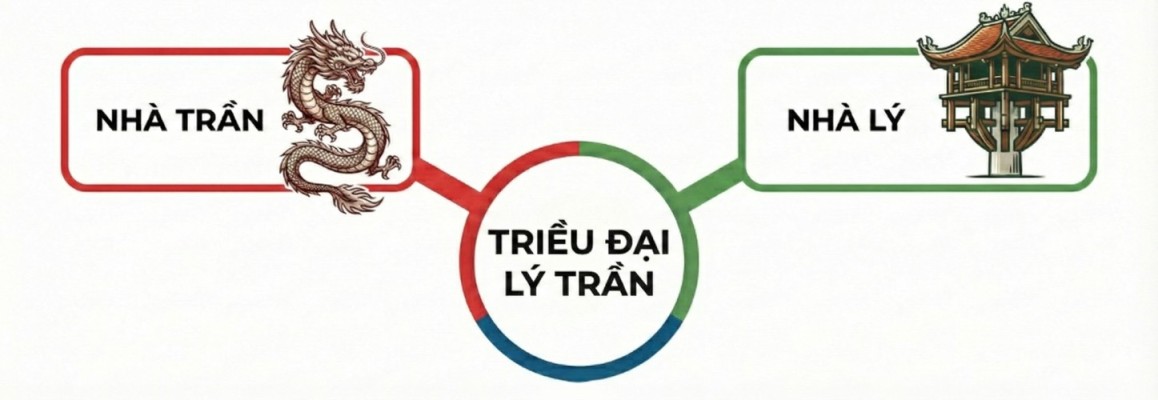
Fix: Use at least three colors. Assign a distinct color to each main branch. Add simple icons (smiley, lightbulb, exclamation mark).
Example (History, Grade 7):
“Trần Dynasty” in RED with a crown icon 👑
“Lý Dynasty” in GREEN with a pagoda icon 🏯
Mistake 3: “Spiderweb chaos” - no hierarchy, no logic
Symptom: Straight branches of equal thickness crossing over each other.
Why it hurts: No clear separation of main vs. supporting ideas; logic gets lost.
Fix:
Make main branches (near the center) bold and thick.
Draw thinner sub-branches from main branches.
Use natural, curved lines like tree branches-avoid rigid straight lines.
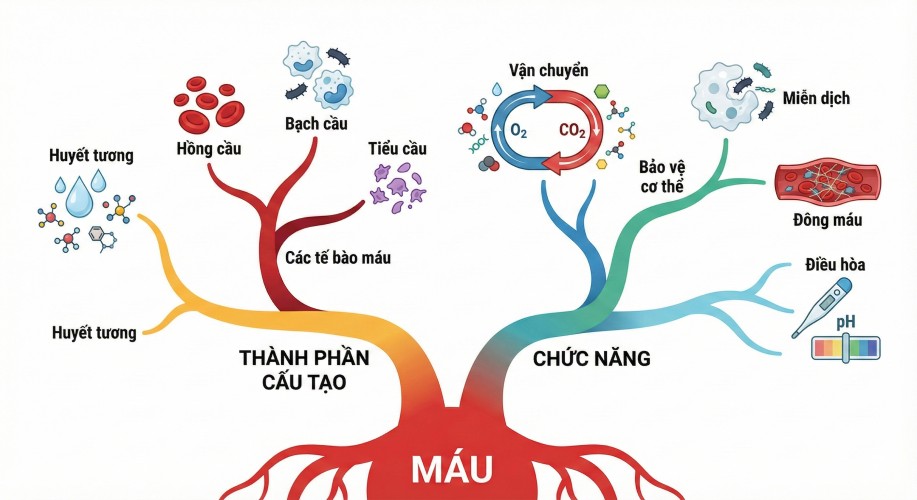
Example (Biology, Grade 8 - “Blood”):
Central bold branch: BLOOD
Thinner sub-branches: “Components”, “Functions”
From “Components”: “Plasma”, “Blood cells” (even thinner child branches)
Mistake 4: Perfectionism - fearing “ugly” and forgetting thinking
Symptom: Spending an hour polishing letter shapes, coloring, and perfect drawings from the start.
Why it hurts: Interrupts your thinking flow and adds pressure to “draw perfectly.”
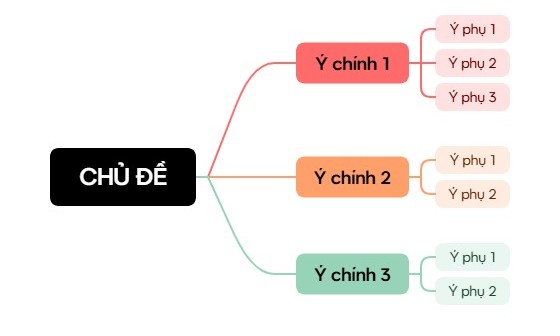
Fix: Prioritize speed and content first. Brain-dump keywords and structure quickly. Do “makeup” (color, simple visuals) later.
Remember: a mind map is a draft of your thinking-not an art contest piece.
Mistake 5: One-size-fits-all - using the same spider map for every subject
Symptom: Whether summarizing a novel, solving math, or learning English vocab, you draw the same central-spider layout.
Why it hurts: Different content types need different structures to maximize clarity and recall.
🧩 PRO TIPS: PICK THE RIGHT MIND MAP TYPE FOR EACH SUBJECT
Choose formats that match your learning goal. Here’s a quick guide:
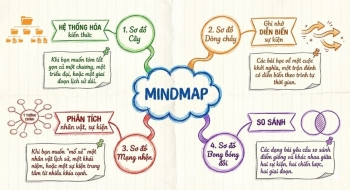
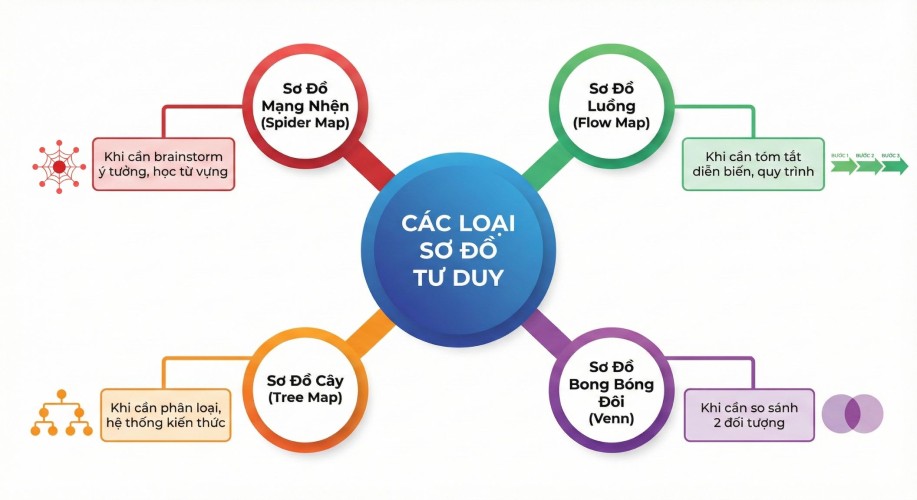
Spider Map - for brainstorming ideas and learning vocabulary
Perfect for planning an essay like “Describe the beach at sunrise,” or organizing English vocabulary by topic (“Environment” → Pollution, Recycle, Protect…).
Flow Map - for sequences, timelines, and processes
Ideal for summarizing historical events (e.g., “Ho Chi Minh Campaign: Step 1 → Step 2 → Step 3…”) or memorizing steps to balance a chemical equation.
Tree Map - for classification and systems
Best for categorizing folk literature (Legend, Fairy Tale, Fable…) or animal phyla (Mollusks, Arthropods…).
Double Bubble Map - for comparing two subjects
Two large circles with unique traits on each side and shared traits in the middle. Great for comparing Animal vs. Plant Cells, or “Confidence” vs. “Arrogance” in civics.
💡 KEY TAKEAWAYS
Mind maps work brilliantly when used right: avoid full sentences, add color and icons, structure with clear hierarchies, don’t chase perfection, and pick the right format for the task.
Don’t be afraid of messy drafts-an idea-rich map beats a blank page every time.
Practice often and you’ll find studying more engaging, visual, and effective. Try applying these tips in tomorrow’s lesson and share your results!
Read more: Master Math, Physics, & Chemistry Formulas: The Ultimate Mind Map Guide for STEM Students